
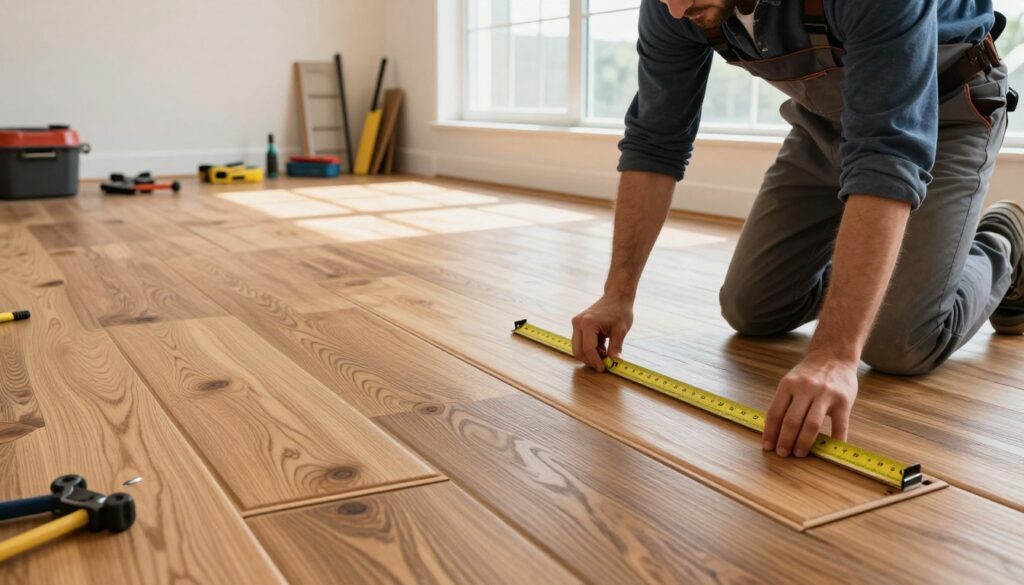
Transforming your home starts with choosing a surface that offers timeless beauty and lasting value. At D’Landra Wooden Floors, we help you achieve a stunning look that reflects your personal style. If you want to know how to prepare for hardwood flooring installation, you must first account for our local tropical climate.
Florida’s high humidity levels present specific challenges for natural materials during any renovation project. Following expert hardwood flooring installation tips ensures your home investment remains durable and attractive for many years. Our team provides high-quality solutions like engineered wood and luxury vinyl planks for every South Florida residence.
This guide highlights ten vital ideas to help you succeed during your next big interior upgrade. Learn how to refresh your rooms with long-lasting performance and unmatched elegance. We are here to make your renovation journey smooth, rewarding, and completely stress-free.
Key Takeaways
- Acclimate your wood planks to the local humidity levels.
- Always conduct professional moisture testing on the subfloor.
- Choose engineered wood options for better stability in Florida.
- Leave proper expansion gaps to prevent buckling or warping.
- Ensure the subfloor is perfectly level and clean before starting.
- Maintain a consistent indoor temperature to protect your new surface.
Critical Hardwood Flooring Installation Tips for Pre-Installation Preparation
To ensure a smooth and durable hardwood flooring installation, several critical steps must be taken before the actual installation begins. Proper preparation is key to avoiding common hardwood flooring installation mistakes and ensuring a long-lasting result.
1. Acclimate Your Hardwood to South Florida’s Unique Climate
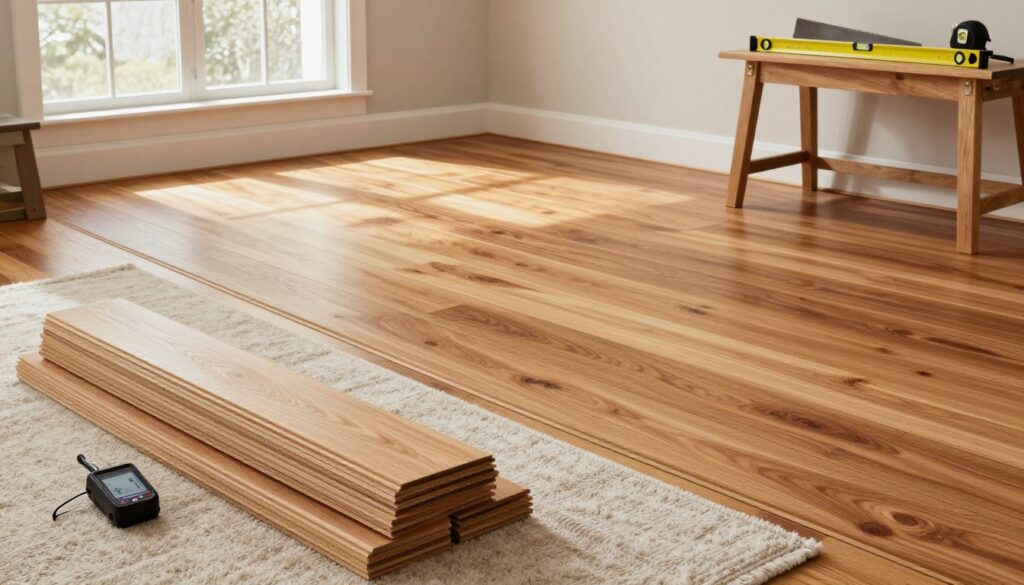
South Florida’s subtropical climate means high humidity and temperature fluctuations. Acclimating your hardwood flooring to these conditions is crucial before installation. This process involves storing the hardwood in the installation room for a few days to allow it to adjust to the local humidity and temperature. D’Landra Wooden Floors experts emphasize the importance of this step to prevent future issues like warping or cracking.
2. Conduct Thorough Moisture Testing on Subfloors
Moisture is a significant enemy of hardwood flooring. Conducting thorough moisture testing on your subfloors is essential to prevent damage to your new flooring. High moisture levels can lead to warping, buckling, or rotting of the hardwood. Using a moisture meter, you can determine if your subfloor is dry enough for installation. This step is crucial for a successful DIY hardwood flooring installation.
3. Ensure Your Subfloor Is Level and Structurally Sound
A level and structurally sound subfloor is vital for a successful hardwood flooring installation. Any unevenness or damage can lead to installation issues and affect the longevity of your flooring. Inspect your subfloor carefully and make any necessary repairs before proceeding with the installation.
4. Select the Right Hardwood Species for South Florida Conditions
Not all hardwood species are suitable for South Florida’s climate. Choosing a species that is resistant to humidity and temperature fluctuations is crucial. Some hardwoods are more adaptable to these conditions than others. Consulting with professionals like D’Landra Wooden Floors can help you select the best hardwood species for your home, ensuring a beautiful and durable floor.
By following these critical pre-installation preparation tips, you can ensure a successful hardwood flooring installation that will last for years to come. Remember, proper preparation is key to avoiding common mistakes and achieving the best results.
Professional Installation Best Practices and Techniques
To ensure your hardwood flooring stands the test of time, it’s essential to adhere to professional installation best practices. At D’Landra Wooden Floors, our expertise in professional hardwood flooring installation is built on years of experience and a deep understanding of what makes a successful installation.
Gathering All Necessary Tools and Materials Before Starting
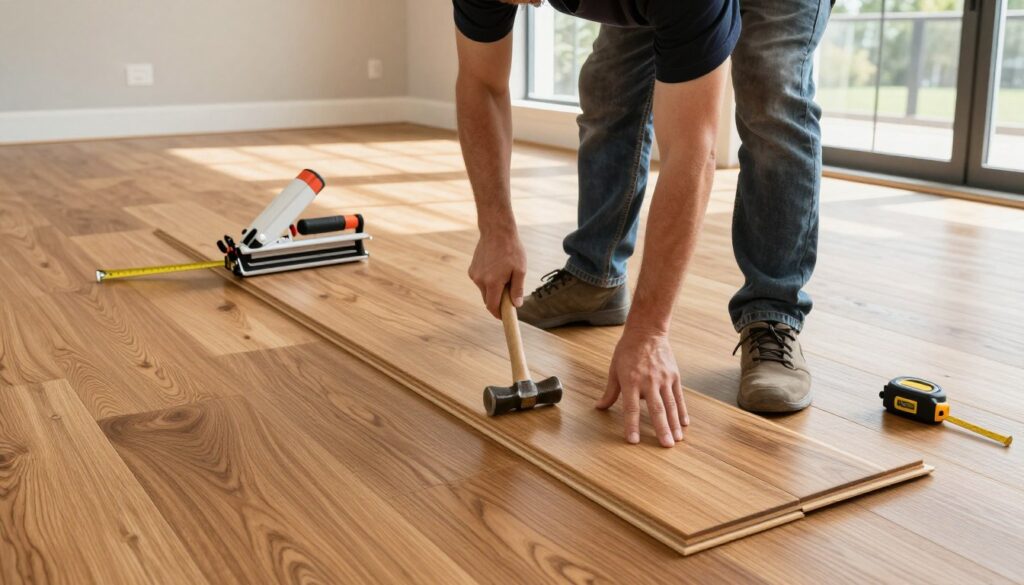
Before you begin your hardwood flooring installation, it’s crucial to have all the necessary tools and materials at your disposal. This includes a tapping block, pull bar, hardwood flooring nailer, and the appropriate fasteners for your chosen installation method. Having everything you need on hand will streamline the process and prevent unnecessary delays.
Essential Tools for Hardwood Flooring Installation:
| Tool | Description |
|---|---|
| Tapping Block | Used to tap pieces into place without damaging the wood |
| Pull Bar | Essential for fitting the last row of flooring into place |
| Hardwood Flooring Nailer | Used for securing the flooring to the subfloor |
Choosing the Optimal Installation Method for Your Project
The choice of installation method can significantly impact the final appearance and durability of your hardwood flooring. Common methods include nail-down, glue-down, and floating installations. The optimal method for your project depends on the subfloor type, the hardwood species you’re using, and your personal preference.
Planning Your Floor Layout and Board Direction Strategically
Strategic planning of your floor layout and board direction can enhance the aesthetic appeal of your hardwood flooring. Typically, boards are installed parallel to the longest wall in the room. However, the layout should also consider the direction of the light and the room’s architectural features.
Maintaining Proper Expansion Gaps for Florida’s Climate Fluctuations
Florida’s climate is known for its humidity and temperature fluctuations, which can cause hardwood flooring to expand and contract. Maintaining proper expansion gaps around the perimeter of the room is crucial to accommodate this movement and prevent buckling or gapping between boards.
By following these professional installation best practices and techniques, you can ensure a beautiful and long-lasting hardwood flooring installation that enhances your home’s value and appeal.
Conclusion
By following these 10 expert hardwood flooring installation tips, you can ensure a successful installation that enhances the beauty and value of your South Florida home. Careful pre-installation preparation and professional installation techniques are crucial for achieving durable and visually appealing hardwood floors.
As highlighted, acclimating your hardwood to the local climate, conducting thorough moisture testing, and selecting the right hardwood species are vital steps in the pre-installation process. Professional installers like D’Landra Wooden Floors can provide expert advice for hardwood flooring installation, ensuring that your project is executed with precision and care.
By choosing experienced professionals for your hardwood flooring installation, you can enjoy a seamless and stress-free experience. With the right guidance and expertise, you can achieve the hardwood floors of your dreams, tailored to your unique needs and preferences.