Choosing the right flooring for your home can be a daunting task, especially with the numerous options available. Two popular choices are engineered wood and vinyl flooring. Both have their unique advantages and disadvantages.
D’Landra Wooden Floors, a premier flooring company in South Florida, specializes in high-quality hardwood, engineered wood, and vinyl plank flooring. Their expertise can guide you in making an informed decision.
When deciding between these two options, factors such as water resistance, aesthetic appeal, and budget come into play. Understanding these factors is crucial in determining the best flooring choice for your home.
Key Takeaways
- Engineered wood and vinyl flooring have different characteristics.
- Water resistance is a key factor in choosing between them.
- Aesthetic appeal and budget are also crucial considerations.
- D’Landra Wooden Floors offers expert guidance in selecting the right flooring.
- Understanding your needs is vital in making the best choice.
Understanding Engineered Wood and Vinyl Flooring
To make an informed decision about your flooring, it’s essential to understand the composition, characteristics, and differences between engineered wood and vinyl plank flooring.
What is Engineered Wood Flooring?
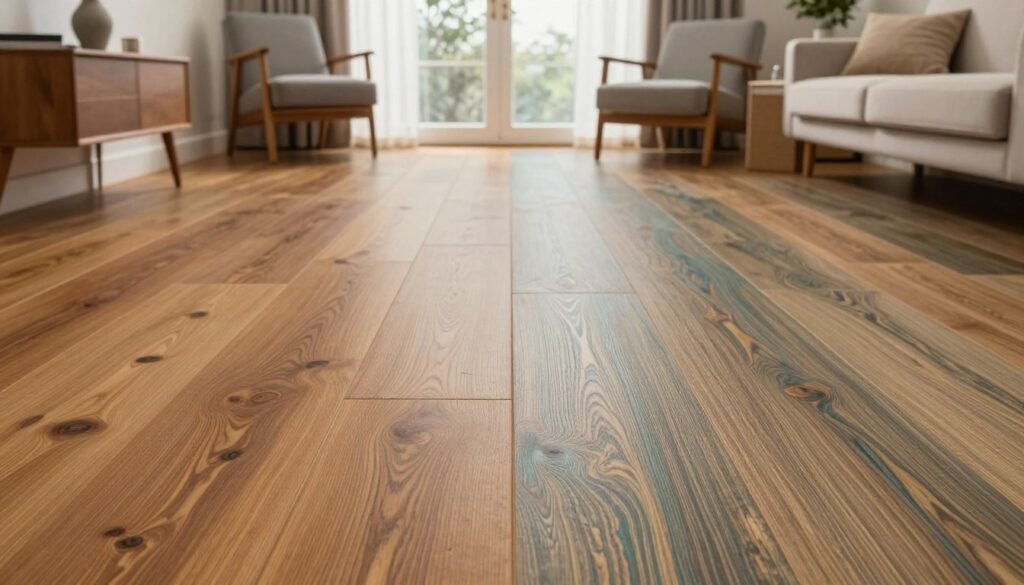
Engineered wood flooring is composed of multiple layers, with the top layer being natural wood. This construction provides engineered wood durability and stability. The layered structure allows for less waste and a more environmentally friendly option compared to solid hardwood flooring.
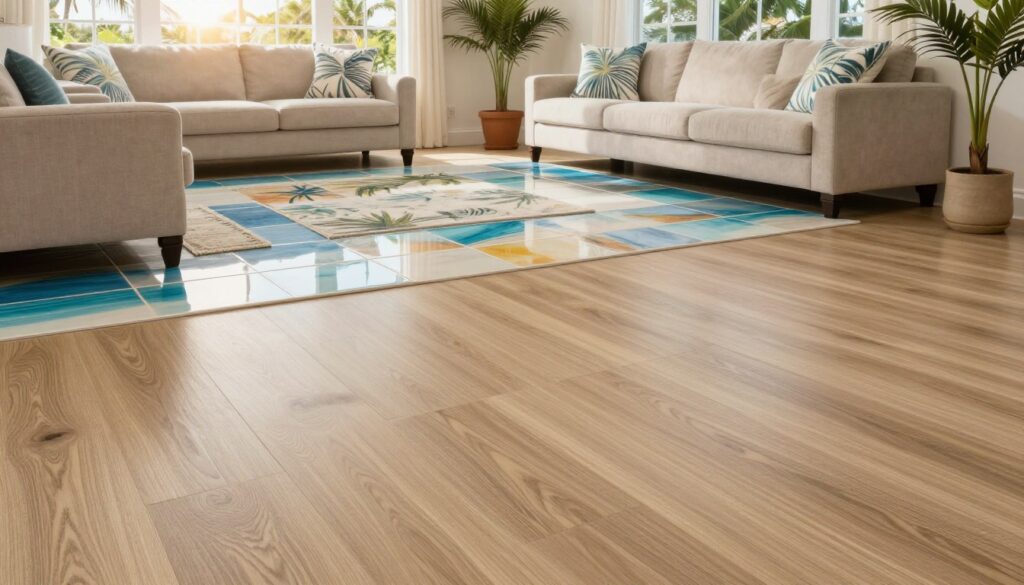
Engineered wood flooring is known for its beauty and authenticity, offering a wide range of species, styles, and finishes. It’s a popular choice for homeowners seeking the aesthetic appeal of natural wood.
What is Vinyl Plank Flooring?
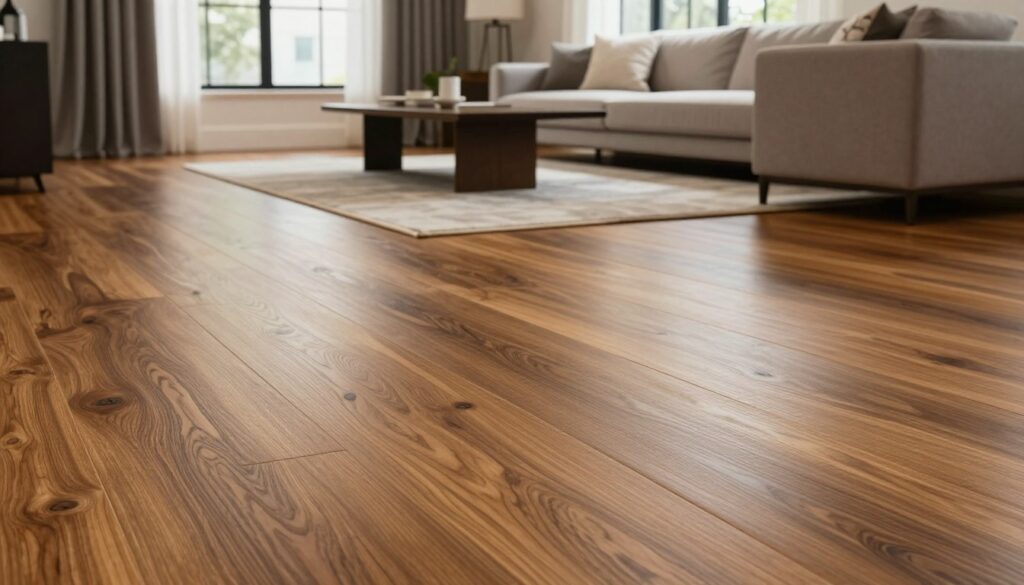
Vinyl plank flooring features a top visual layer that emulates the appearance of natural wood using printable PVC. This layer is highly resistant to scratches and fading, making vinyl plank flooring a practical choice for high-traffic areas.
The vinyl plank advantages include its water resistance and ease of maintenance, making it suitable for kitchens, bathrooms, and laundry rooms.
Key Differences at a Glance
The primary differences between engineered wood and vinyl plank flooring lie in their composition, durability, and maintenance requirements. Engineered wood offers a natural look and feel, while vinyl plank provides a durable and versatile alternative.
- Engineered wood is made from natural wood layers, while vinyl plank is made from synthetic materials.
- Engineered wood requires more maintenance than vinyl plank, as it needs to be refinished periodically.
- Vinyl plank is generally more resistant to water and moisture than engineered wood.
D’Landra Wooden Floors’ experts can help you navigate these differences and choose the best flooring for your home, considering your lifestyle and preferences.
Engineered Wood vs Vinyl: Comprehensive Comparison
To make an informed decision, it’s crucial to compare engineered wood and vinyl flooring across multiple aspects. This comparison will enable you to weigh the pros and cons of each flooring type based on your specific needs and preferences.
Appearance and Aesthetic Appeal
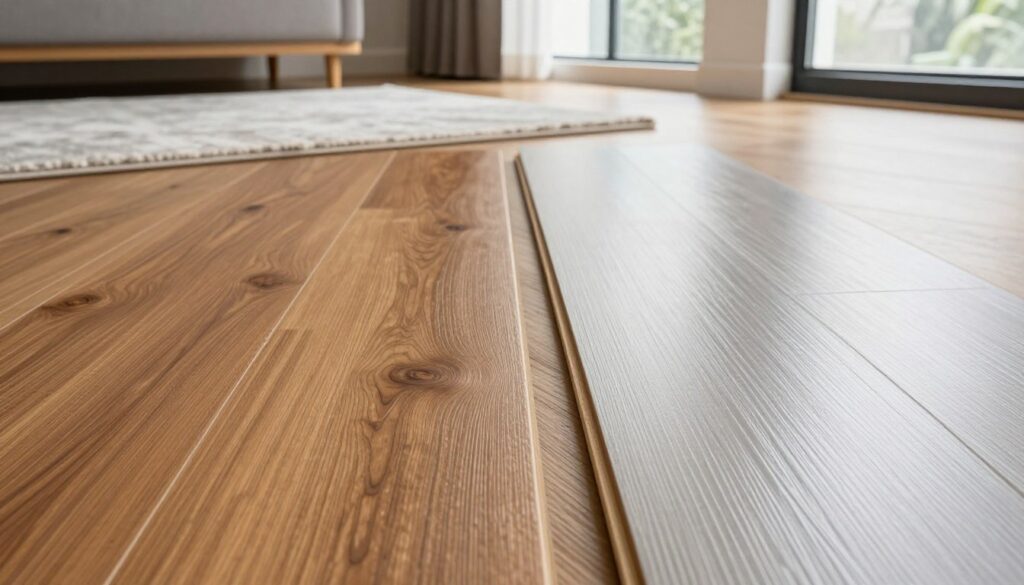
Engineered wood flooring is renowned for its natural look and feel, offering a warmth and authenticity that many homeowners desire. On the other hand, vinyl plank flooring has made significant strides in mimicking the appearance of natural wood, with many options available that closely resemble the real thing.
“The advancements in vinyl flooring technology have made it nearly indistinguishable from natural wood at first glance,” says a flooring expert. As such, your choice may depend on whether you prefer the genuine article or a highly realistic alternative.
Durability and Longevity
Both engineered wood and vinyl flooring offer durability, but in different ways. Engineered wood can be sanded and refinished multiple times, extending its lifespan significantly. Vinyl, while not refinished, is highly resistant to scratches and fading.
Engineered wood typically lasts between 20 to 30 years or more with proper care, whereas vinyl flooring can last anywhere from 10 to 20 years, depending on the quality and maintenance.
Water and Moisture Resistance
Vinyl flooring stands out for its superior water resistance, making it an ideal choice for areas prone to moisture, such as kitchens and bathrooms. Engineered wood, while not entirely waterproof, can still perform well in conditions with moderate moisture, provided it is properly maintained.
It’s crucial to note that excessive water exposure can damage engineered wood, so it’s not the best choice for very humid or wet areas without proper precautions.
Installation Process and Requirements
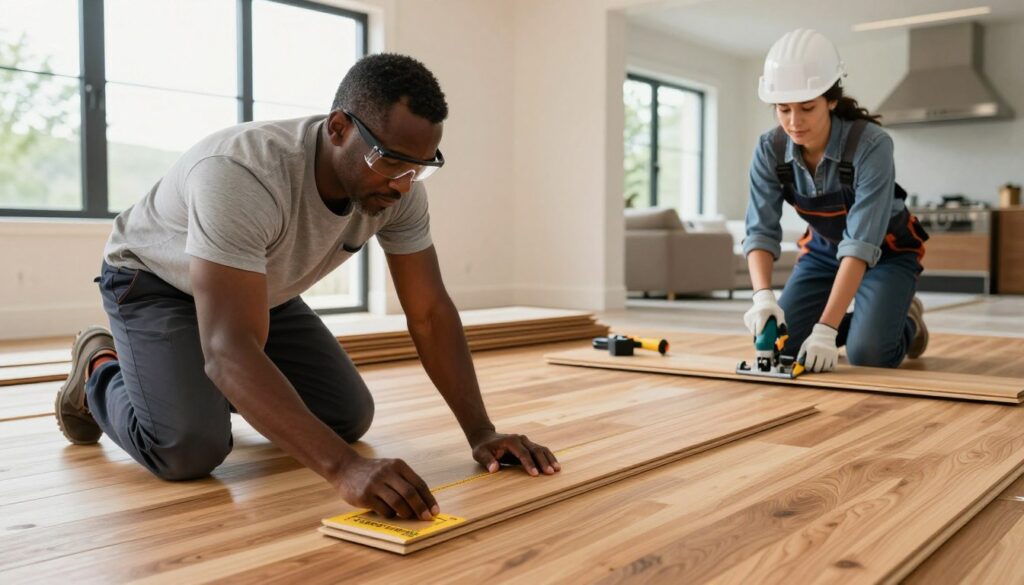
The installation process for both types of flooring has its nuances. Engineered wood can be installed using various methods, including nail-down, glue-down, or floating installations. Vinyl plank flooring often uses a click-lock system, making it relatively straightforward for DIY installations.
However, the specific requirements, such as subfloor preparation and acclimation procedures, can vary between the two flooring types, affecting the overall installation cost and complexity.
Best Applications and Value Considerations
Understanding the best applications for engineered wood and vinyl flooring is key to making the right choice for your home.
Ideal Rooms and Spaces for Each Flooring Type
When it comes to choosing between engineered wood and vinyl plank flooring, the specific room or space plays a significant role. Engineered wood is ideal for dry rooms such as living rooms and bedrooms, where it can add warmth and elegance. On the other hand, vinyl plank flooring is more versatile and can be used in moisture-prone areas like bathrooms and kitchens, thanks to its water-resistant properties.
For areas that are exposed to heavy foot traffic or moisture, vinyl plank flooring stands out as a durable and practical choice. In contrast, engineered wood flooring is better suited for areas where you want to create a cozy and inviting atmosphere.
Initial and Long-term Costs
The cost of engineered wood and vinyl plank flooring varies significantly. Generally, vinyl plank flooring is more affordable upfront, making it an attractive option for homeowners on a budget. However, engineered wood can be more cost-effective in the long run due to its durability and potential to increase property value.
Impact on Property Value
Installing engineered wood flooring can significantly enhance your property’s value, as it’s often perceived as a high-quality flooring option. While vinyl plank flooring offers practical benefits, its impact on property value can vary depending on the quality and installation.
D’Landra Wooden Floors’ Expert Recommendations
At D’Landra Wooden Floors, our experts recommend considering your lifestyle and the specific needs of your home when choosing between engineered wood and vinyl plank flooring. For those who value durability and ease of maintenance, vinyl plank flooring might be the better choice. For homeowners looking to add a touch of sophistication and warmth, engineered wood is an excellent option.
Conclusion: Making the Right Choice for Your Home
Choosing between engineered wood and vinyl flooring can be challenging, but by considering your lifestyle, budget, and personal preferences, you can make the best flooring choice for your home.
Throughout this article, we’ve compared engineered wood vs luxury vinyl, examining their appearance, durability, and water resistance. Engineered wood offers a natural aesthetic, while vinyl provides versatility and practicality.
At D’Landra Wooden Floors, our expertise helps you navigate these options. Ultimately, the decision comes down to what matters most to you. Whether you prioritize the authentic look of engineered wood or the durability of vinyl, we guide you in making an informed decision that suits your needs.
By weighing the pros and cons of engineered wood vs vinyl, you can select the perfect flooring to enhance your home’s beauty and functionality.